You go every second or third day, and when you do go it takes effort and never feels finished. Your stomach is flatter in the morning and distended by evening. You have already added more fibre, more water and more walking, and some of it made you feel worse rather than better. That combination is not a willpower problem or a hydration problem. It usually means one of the layers upstream of your colon has stopped sending the signal that moves things along.
Why Am I Constipated When My Diet Already Looks Good?
Because the food is not the part that failed.
Think of digestion as a cascade with a fixed order. Stomach acid first. Then bile flow. Then the oxygen gradient in your small intestine that decides which organisms are allowed to live there. Then the mucus lining that keeps them off the wall.
Every symptom you have sits downstream of whichever layer broke first.
Constipation is what you feel when the movement signal at one of those layers goes quiet. Adding fibre to a gut with a broken movement signal is like putting more cargo on a conveyor belt that is not turning. The belt does not start moving because you loaded it more heavily. It just gets fuller.
So the useful question is not how much fibre you eat. It is which signal stopped.
What Does Methane Actually Do to Your Gut?
This is the one most people have never heard of, and it is often the loudest.
Bacteria in your small intestine ferment carbohydrate and fibre into hydrogen gas. Hydrogen is not the problem on its own. The problem is what eats it.
Archaea, single-celled organisms that are not technically bacteria, consume that hydrogen and convert it into methane. Methane is not an inert waste gas. It acts directly on the smooth muscle of your intestine and slows the rate at which contents move through, and the effect is substantial rather than marginal.
Now look at the loop that creates.
Slower transit means food and residue sit in the small intestine longer. Longer sitting means more fermentation. More fermentation means more hydrogen. More hydrogen means more methane. More methane means slower transit.
The loop feeds itself. It is why constipation of this type gets progressively worse over months rather than fluctuating randomly, and why it is often paired with bloating that builds through the afternoon rather than hitting immediately after a meal.
It is also why the fibre advice backfires here. Add more fermentable substrate to a gut that already has methane producers thriving in it and you have handed them more raw material. The detail of how to shift that population, and why the methanogens need a different approach from the hydrogen producers feeding them, is covered in the three mechanical barriers blocking motility.
Why Does Bile Flow Control How Fast You Go?
Most people file bile under fat digestion and stop there. That is half of the job.
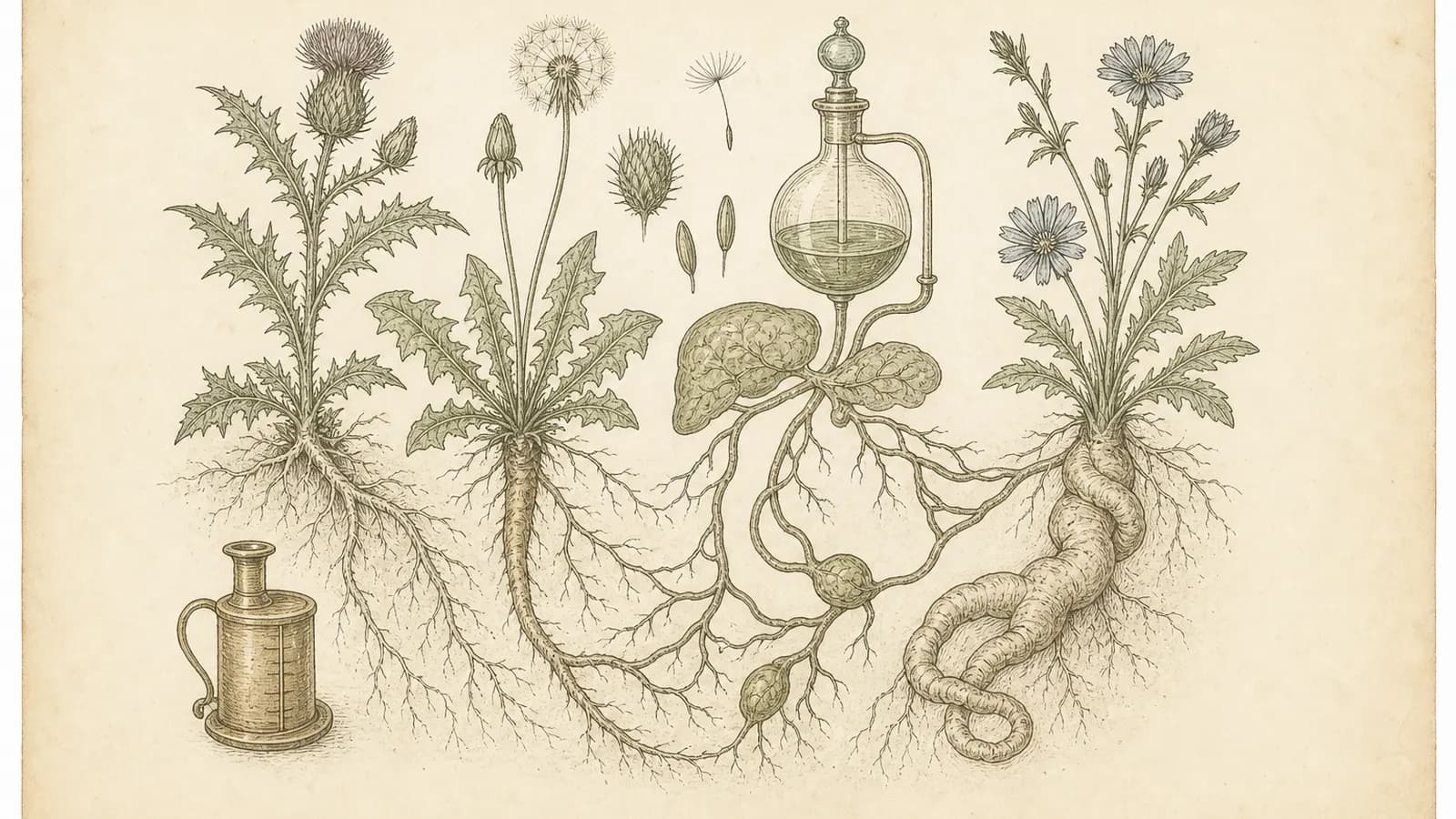
Bile acids that reach the colon do two things that matter enormously for constipation. They pull water into the stool, and they stimulate receptors in the gut wall that trigger contraction.
In other words, bile is one of your body's own movement signals. It is not a passive detergent. It is an instruction.
When bile flow is poor, thick or poorly released, you lose that instruction. Water stops being drawn into the stool, so it dries out and hardens as it sits. The contraction signal weakens, so it sits for longer. Both effects compound.
This is the version of constipation that does not respond to drinking more water. You can drink three litres a day and still pass hard, dry stools, because water in your gut is not the same thing as water in your stool. Bile acids are part of what moves it there.
The clues are usually visible before they are felt. Pale or clay-coloured stools. A greasy look or a film in the bowl. Discomfort under the right ribs. Nausea after a rich meal. Skin that has become itchier without explanation. If those sound familiar alongside the constipation, bile is the layer to look at first, and how to improve the flow of bile to the intestines goes into what actually shifts it.
Bile flow itself depends on adequate stomach acid, because acid arriving in the small intestine is part of what triggers bile release. Skip that layer and bile support rarely holds.
Is Snacking Switching Off Your Migrating Motor Complex?
Your small intestine has a cleaning cycle, and almost nobody is letting it run.
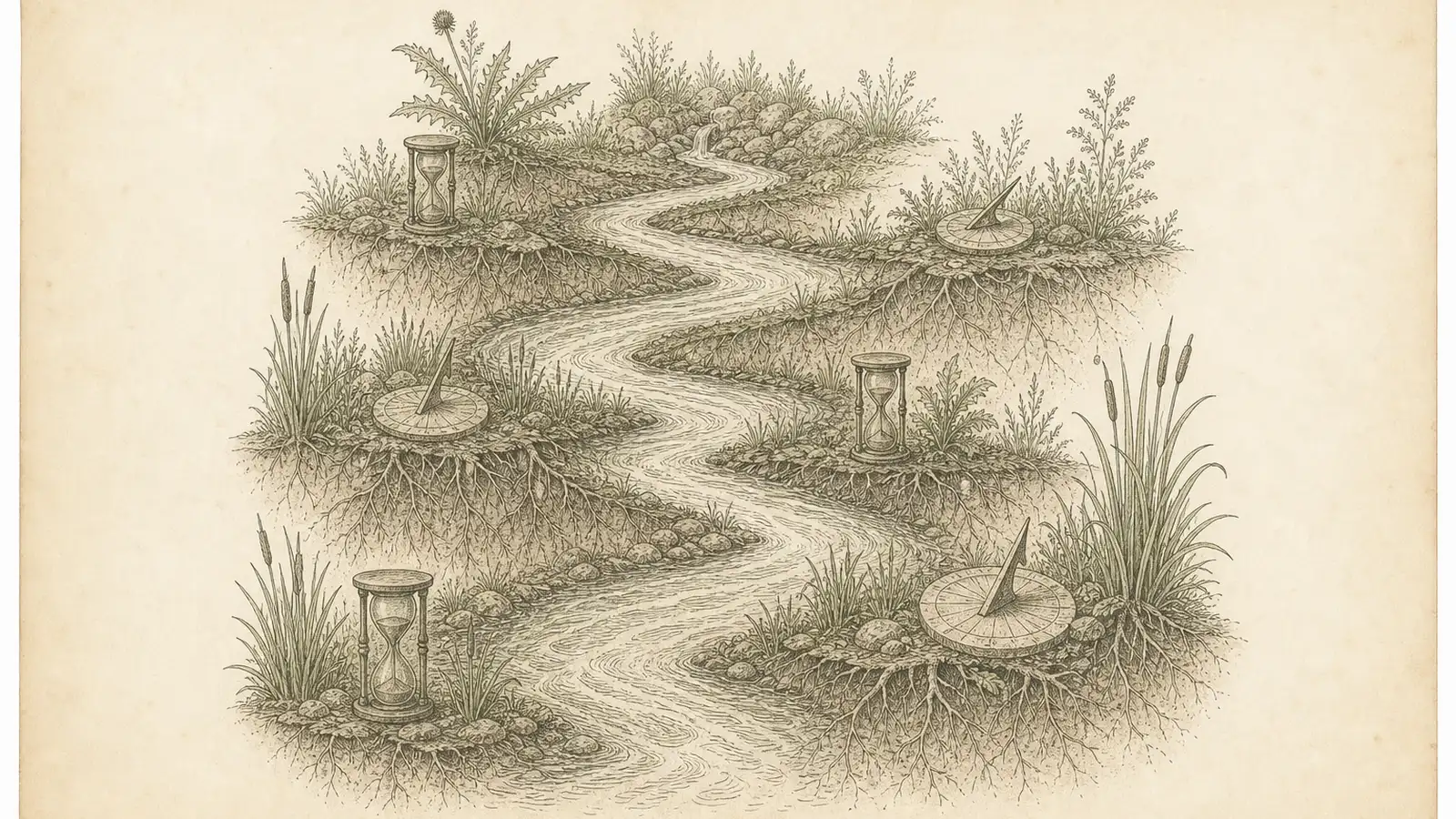
Between meals, once digestion has finished, a wave of coordinated contraction sweeps from your stomach down through the small intestine. It is called the migrating motor complex, and its job is housekeeping. It moves leftover residue, sloughed cells and bacteria downstream and out of the small intestine, where they were never meant to settle.
Eating stops it. The moment food arrives, the body switches out of housekeeping mode and back into digestion mode. That is normal and correct.
The problem is modern eating patterns. Breakfast, a coffee with oat milk at ten, a snack at eleven, lunch, something at three, dinner, something in the evening. The sweep gets interrupted every time and rarely completes a full pass.
So residue stays in the small intestine. Bacteria that should have been swept downstream stay put and ferment what stays with them. That fermentation produces the hydrogen the methane producers run on, which slows transit further, which leaves more residue behind.
Same loop, entered through a different door.
This is also the layer that stress hits hardest, because the nervous system state you spend your day in directly governs whether that housekeeping wave runs at all. That connection is worked through in why stress slows motility.
The practical read is simple. Genuine gaps between meals are doing work. Grazing all day is not neutral.
Can Thyroid Or Dehydration Explain My Constipation?
Both sit upstream of everything above, and both are worth ruling out early.
Thyroid hormone sets the pace of smooth muscle throughout the gut. When thyroid output is low, transit slows across the whole system. Constipation is one of the earliest and most consistent signs of an underactive thyroid, and it usually arrives with company. Cold hands and feet. Fatigue that sleep does not fix. Hair thinning. Dry skin. Difficulty losing weight despite no change in habits.
If that cluster describes you, this is a conversation to have with your doctor and a blood test to ask for, not something to guess at from a blog. Thyroid is a measurable thing. Measure it.
Hydration matters, but not in the way it is usually sold. Drinking more water does not automatically soften stool, because water absorption in the colon is regulated rather than passive. What genuinely dries you out is the combination people rarely count together. High caffeine intake, alcohol, heavy sweating, and low mineral intake alongside a large water volume, which dilutes rather than helps.
Magnesium is worth knowing about here. It draws water into the bowel and supports smooth muscle relaxation, and different forms behave very differently in the gut.
And an important line. If you have been prescribed or recommended anything by a clinician, including a laxative, a thyroid medication or a stool softener, keep taking it exactly as they directed. Nothing here replaces that, and nothing here is a reason to change it. If you want to add something alongside it, that is a conversation with the person who prescribed it.
Why Is More Fibre Making My Constipation Worse?
Because fibre is a fuel source, and you are not short of fuel. You are short of signal.
For someone whose gut environment is healthy, more fibre feeds beneficial organisms, produces short chain fatty acids, and improves transit. That is a real effect and it is why the advice exists.
For someone with an overgrown small intestine and active methane production, the same fibre is fermented in the wrong place by the wrong organisms into the exact gas that is slowing them down. The dose that helps one person is the dose that blocks another.
You can usually feel which camp you are in. If adding fibre reliably produces more bloating, more pressure, more gas and harder stools within a few days, that is information. It is not a sign you need to push through and eat more of it. Fibre overload in a dysbiotic gut covers why forcing it rarely ends well and what maintains diversity in the meantime.
The order matters more than the amount. Get the signals working, then reintroduce fibre and it does what it is supposed to do. Do it the other way round and you are feeding the problem while waiting for it to fix itself.
Where Should You Actually Start?
Work the cascade in order, because each layer depends on the one before it.
Stomach acid first, since bile release depends on it and so does keeping bacteria out of the small intestine. Bile flow second, because it carries the water and the contraction signal into your colon. The environment in the small intestine third, which is where the methane loop lives. Then the housekeeping wave, which needs real gaps between meals and a nervous system that is not permanently braced.
Most people have one dominant layer, not four. Finding which one is yours is most of the work, and the broader picture of what moves the needle is in how to improve gut motility.
Before any of that, one non-negotiable. Blood in your stool, black or tarry stools, unexplained weight loss, severe or persistent abdominal pain, vomiting blood, difficulty swallowing, fever, or a sudden change in bowel habit that does not settle all need a doctor, promptly. Constipation is common and usually mechanical, but those signs are not something to work through with diet.
Our quiz is built to map your symptom pattern onto the layer most likely driving it, so you are not guessing which of the four is yours. It is educational, not a diagnosis, and it does not replace medical assessment.