A SIBO test often reveals what breathwork alone cannot fix. As Kieran puts it: "You've tried breathwork. Meditation. Cold exposure. You eat slowly, you chew properly, you do everything to get your nervous system into rest and digest." Yet the bloating remains.
Why Doesn't a Calm Nervous System Guarantee Regular Bowel Movements?
Yet you're still bloated after every meal. Still backed up for days. Still looking six months pregnant by dinner despite doing everything right.
Two people with the same HRV, same breathwork practice, same calm nervous system.
One moves their bowels effortlessly every morning. The other hasn't had a complete one in a week.
Same engine. But it's what's inbetween that means the wheels won't spin.
See your vagus nerve is the engine of digestion and it's clearly running well in your case,
But between that nerve signal and your gut actually moving there are mechanical systems that translate the signal into movement.
When those are damaged your nervous system can fire perfectly and nothing responds.
What's the First Mechanical Barrier: Stomach Acid?
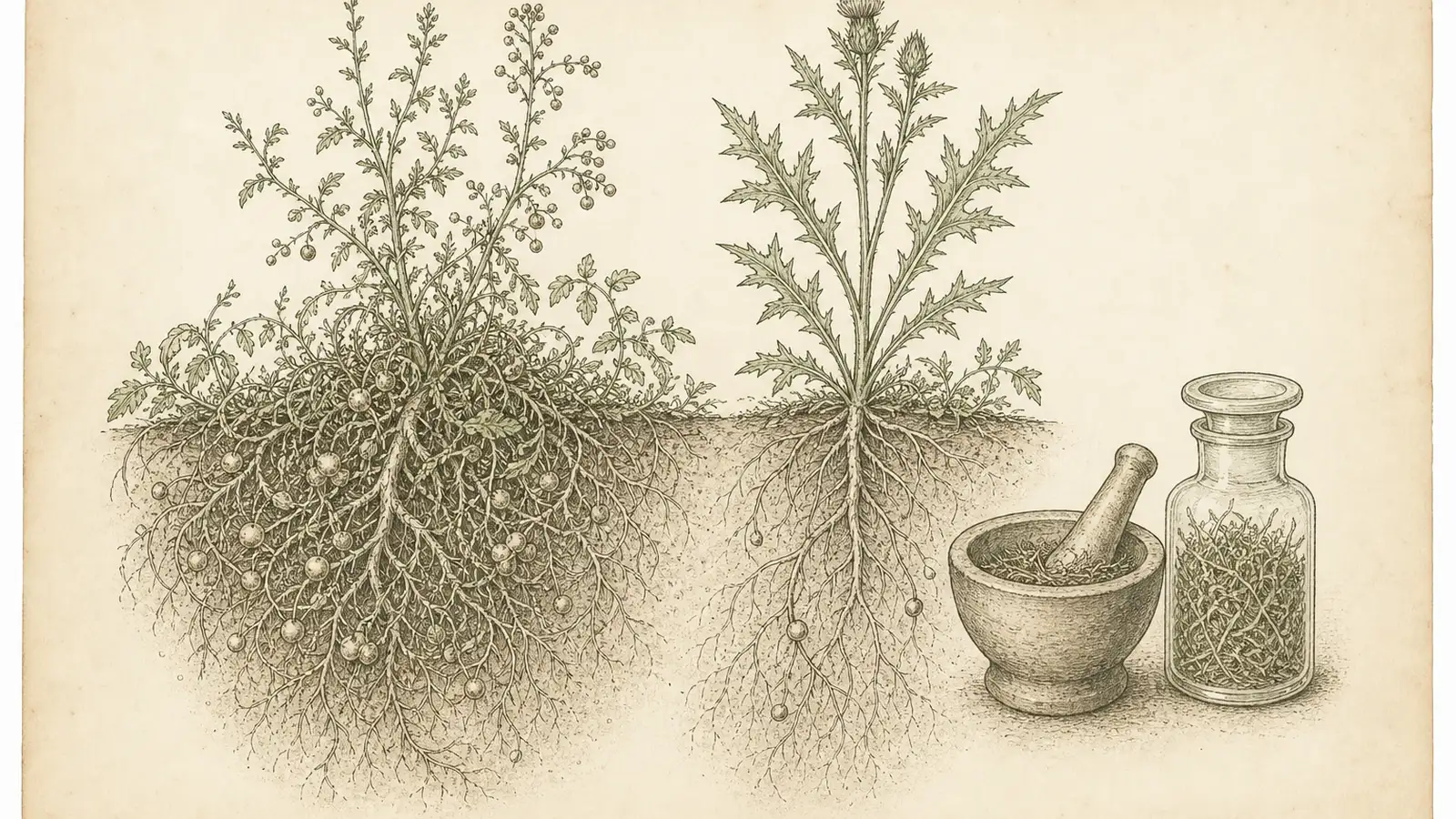
The first system is stomach acid. Your vagus nerve directly stimulates acid production, so if you've been doing vagus nerve work and your acid is still low that tells you something else is suppressing it.
Chronic inflammation from downstream bacterial overgrowth produces TNF-alpha and IL-1beta which directly inhibit parietal cells through every stimulatory pathway simultaneously, meaning the inflammation is actively overriding your vagal signal.
You'll feel this as bloating within 30-60 minutes of eating, belching, that heavy feeling where food just isn't going anywhere.
And because acid triggers bile release, low acid almost always means poor bile flow too. If fats make things worse, if stools are pale or greasy or sticky, that's bile not flowing because acid never sent the signal.
Betaine HCl covers the acid gap short term. DGL and Aloe rebuild the stomach's capacity to respond to your vagal signals again.
Taurine, Glycine, and Phosphatidylcholine build bile that actually works once the signal returns.
What Are the Pacemaker Cells Nobody Talks About?
The second system is the one nobody's talking about and it might be the most important.
Your gut has specialised cells that sit between the nerve endings and the smooth muscle, and their job is to translate nerve signals into coordinated waves of contraction.
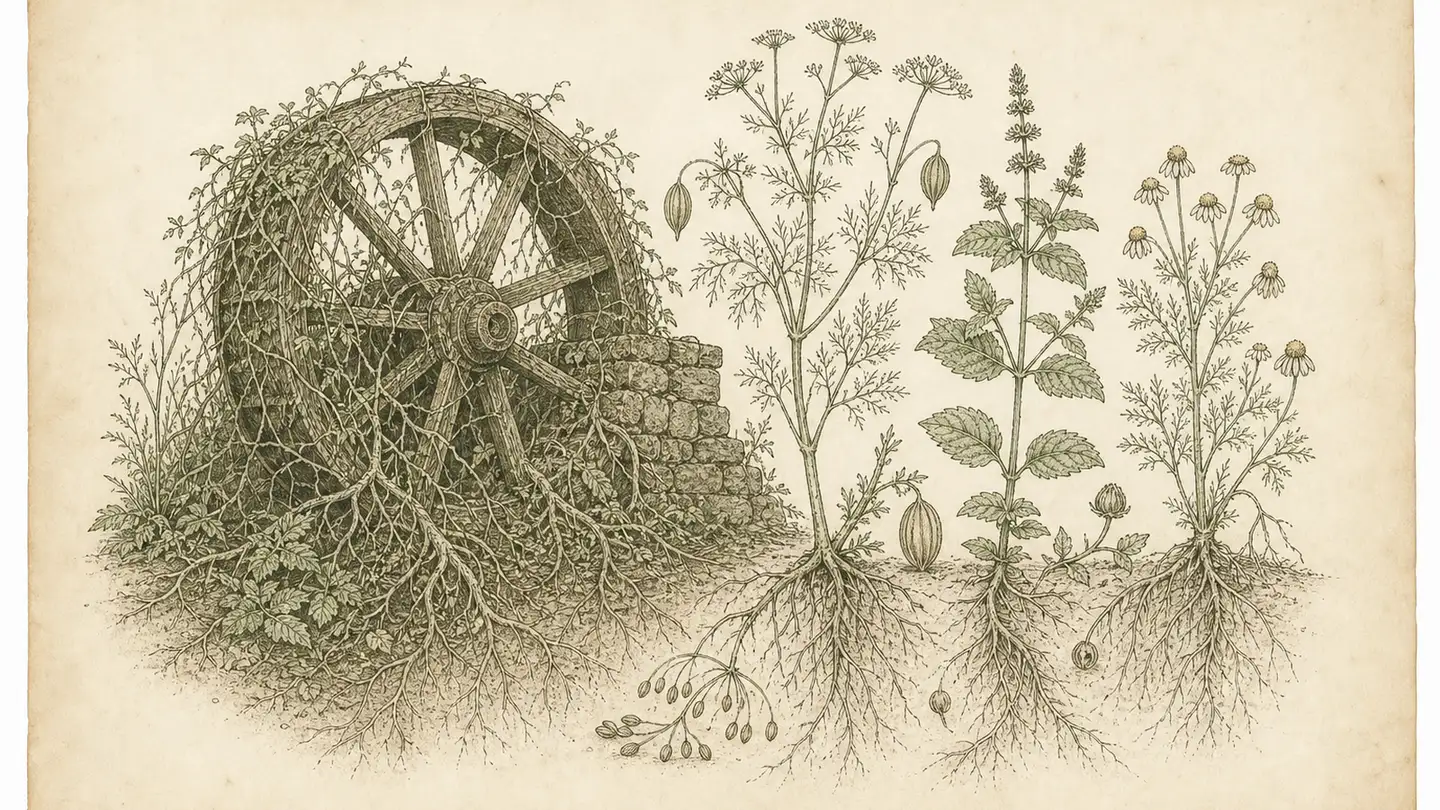
Without them the vagal signal arrives and has nowhere to go. Think of it as the transmission in a car, the engine revs but the wheels don't turn.
In patients with slow transit constipation these cells are depleted by 40-100%.
In gastroparesis the loss ranges from 60-100% depending on the region. And here's what connects this directly to your vagus nerve work, during vagal stimulation these cells become the dominant pacemaker in the gut.
Meaning your breathwork is specifically strengthening a signal that depends on these cells to translate into movement, and in slow transit patients those cells are severely depleted.
You'll recognise this pattern if you feel cramping and clenching but nothing actually moves forward, if your gut seems to be trying but can't coordinate, if prokinetics give you spasms instead of smooth movement.
Chronic inflammation is what damages them.
The same inflammation from bacterial overgrowth, endotoxin, and a damaged gut lining that's been running in the background while you focused on calming your nervous system.
Zinc L-Carnosine and Butyrate lower that inflammation directly.
Quercetin and Curcumin support regeneration of these cells, with research showing up to 40% improvement in survival rates. The transmission can be rebuilt.
Why Does Methane Gas Lock Your Gut in Place?
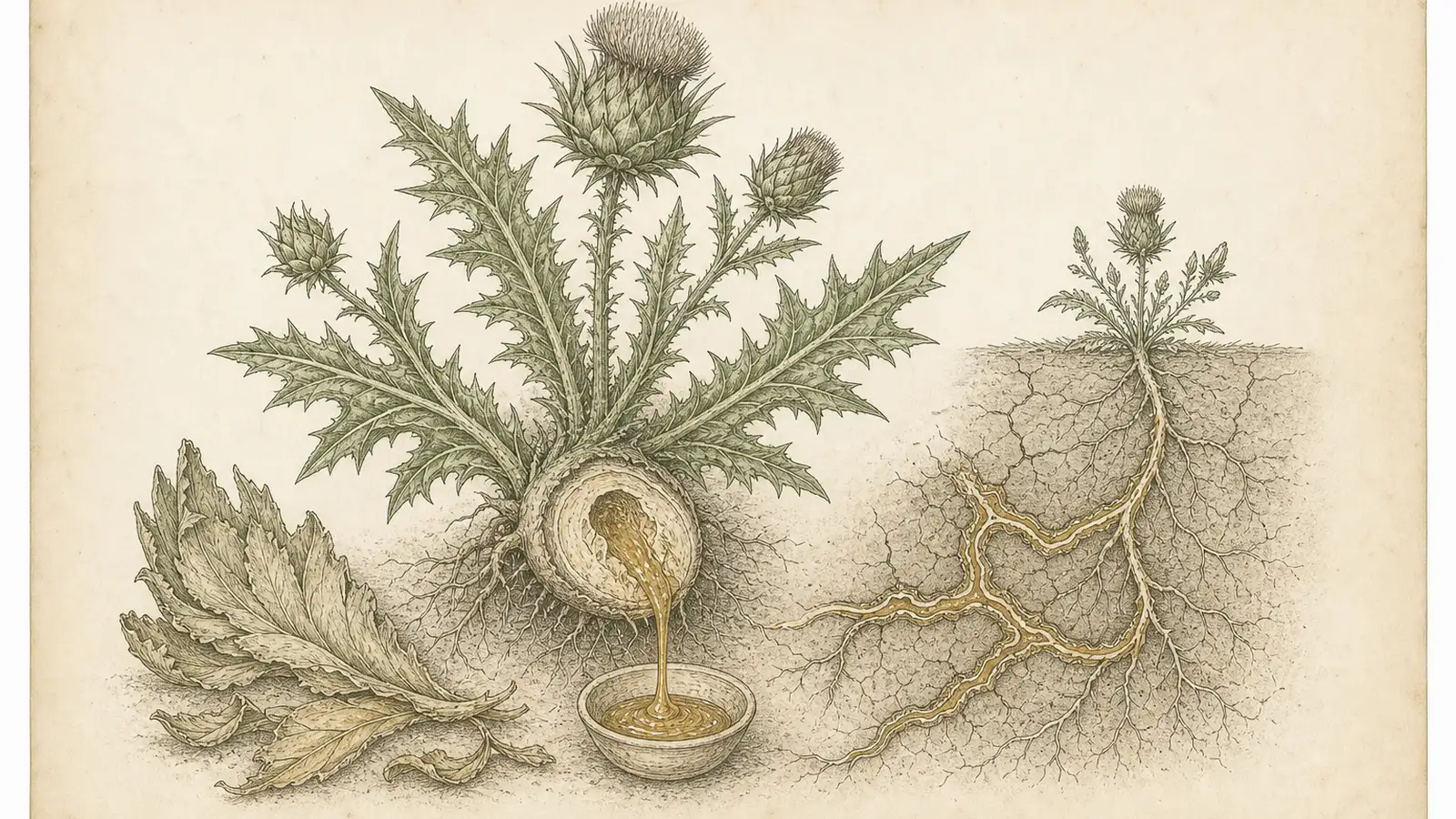
The third mechanical barrier is the gas itself. Methane directly paralyses smooth muscle, producers show 59% slower transit.
Even with a perfect vagal signal and fully functioning pacemaker cells your gut cannot contract through that wall of pressure.
Atrantil starves the methanogens of hydrogen. Red yeast rice blocks the enzyme they use to produce gas. Together you can see roughly 70% reduction in methane output.
So when you put it all together, your vagus nerve sends the signal but inflammation is overriding it at the stomach, the cells that should translate the signal into coordinated movement are 40-100% depleted, and even if they were working methane has the muscle locked in place.
Three mechanical barriers that no amount of breathwork releases.
Not because the breathwork doesn't matter, it does, but because it's been strengthening a signal that had nothing to work with.
- Low stomach acid overridden by inflammation from bacterial overgrowth
- Pacemaker cells depleted by 40-100% that translate nerve signals into coordinated movement
- Methane gas directly paralysing smooth muscle, causing 59% slower transit
Keep the vagal engine running. Breathwork, meditation, cold exposure, all of it amplifies results once the mechanical barriers come off.
But release the brakes too, because a strong vagal signal driving a gut that can actually respond is a completely different experience.
What Other Gut Issues Get Mistaken for Nervous System Problems?
So very likely a sensitive gut lining and histamine reactions? have you done a GI map to see if you have adequate histamine degraders as well as a healthy mucus lining and adequate butyrate producers?
If you got Covid it's very likely some damage to the gut lining
Usually thats more hydrogen/hydrogen sulfide that needs to be remedied, or bile and sensitive gut lining