You have probably already tried. A probiotic, then a different probiotic. Collagen. Glutamine. An elimination diet that shrank your plate down to six safe foods and still did not stop the bloating. Nothing you took was stupid, and most of it was reasonable. It failed because it was aimed at the wrong layer, at the wrong time, in the wrong order.
Why Does Most Gut Health Advice Fail?
Because it is a list, and your gut is a sequence.
Search for how to improve gut health and you get the same twenty items every time. Eat more fibre. Take a probiotic. Reduce stress. Drink more water. Every one of those can be true and still be useless to you, because none of them tell you which part of your digestion actually broke.
A list assumes the interventions are independent. They are not. Each stage of digestion is triggered by the stage above it, and the environment each stage creates is what the next stage depends on.
So the same probiotic helps one person and inflames another. The same fibre target settles one gut and makes another one distend like a balloon. It is not that the advice is wrong. It is that you applied it at a layer that was never the problem.
What Is the Gut Cascade and Why Does Order Matter?
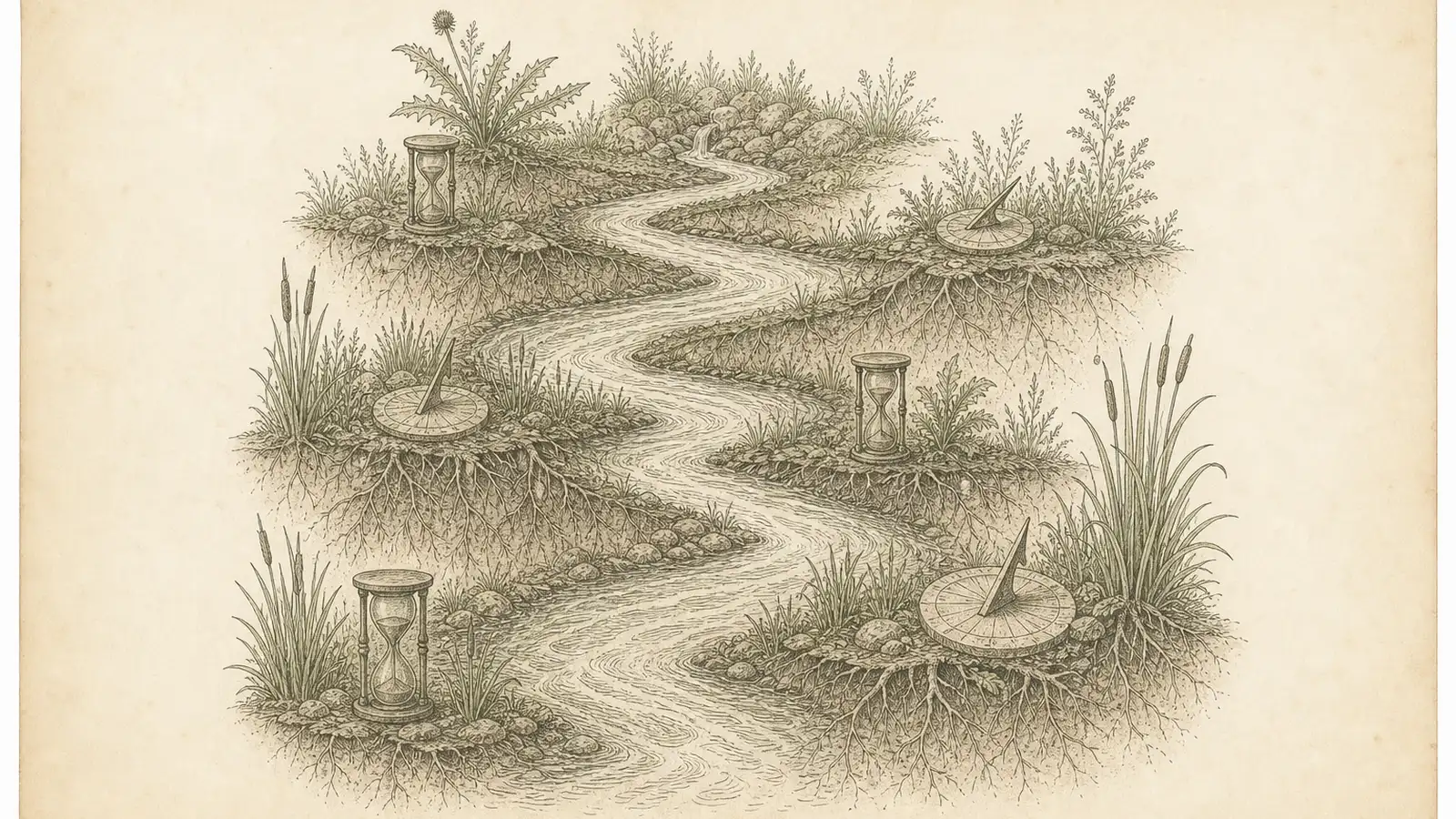
Think of it as four layers, running downhill.
Stomach acid comes first. Its job is not just breaking down protein. It is the trigger. Adequate acid signals the pancreas and the gallbladder, sterilises most of what you swallow, and frees up minerals like iron and zinc. Zinc matters more than people realise here, because you cannot make stomach acid without it, which is how low acid quietly becomes self-sustaining.
Bile flow comes second, and it depends on the first. Bile is released in response to the acidified, fatty meal arriving in the small intestine. It emulsifies fat so you can absorb it, carries fat soluble vitamins A, D, E and K across the lining, and it is antimicrobial in its own right. Bile is one of the main reasons the small intestine stays relatively sparse.
The oxygen gradient in the small intestine comes third. Your small intestine is not meant to be a fermentation vat. The cells lining it consume oxygen and keep the environment tightly controlled, which suits the organisms that belong there and suppresses the ones that do not. When acid and bile fall away and the lining becomes inflamed, that gradient shifts, and organisms that thrive in the new conditions expand into space they were never meant to occupy.
The mucus lining comes last. It is the physical barrier between everything above and your bloodstream. It is also the layer that everyone starts with.
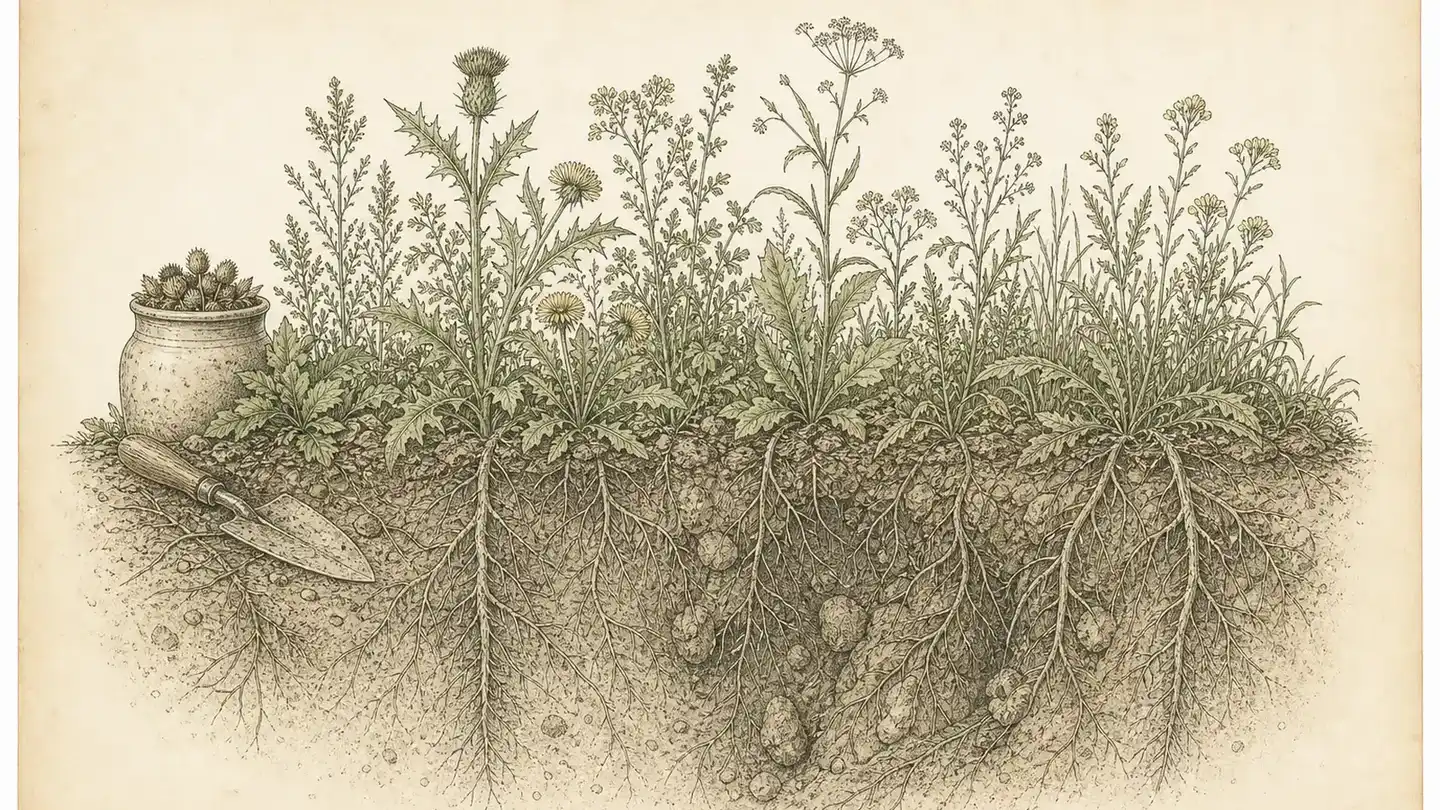
The cascade runs one way. A failure at the top produces symptoms at every layer beneath it, which is why most people have symptoms from all four and conclude that everything is broken. Usually one thing is broken and three things are downstream of it. That is the whole argument for fixing the soil rather than the weeds.
Where Should You Start If You Want to Fix Your Gut?
At the top, unless you have clear evidence the top is fine.
Start with stomach acid, because it is the trigger for everything below it and because it is the layer most often missed. The signature is timing. If you bloat during a meal or within about an hour of finishing, that is upstream. Food is sitting rather than moving. Protein feels heavy for hours. Reflux, counterintuitively, is common here, because an undigested meal sitting in the stomach raises pressure.
Support at this layer is unglamorous. Eat sitting down, without a screen, and chew properly, because the anticipatory phase of digestion is a real physiological trigger and skipping it costs you output. Do not drown the meal in liquid. Address zinc status through food. Bitters before a meal work on the same anticipatory signalling.
None of that touches medication. If you are taking something that reduces stomach acid, or anything else a prescriber put you on, it stays exactly as they set it. We describe the mechanism and then build around what you are already taking, because the only person who can change a prescription is the person who wrote it.
Then move to bile. The signature here is your stools and your response to fat. Greasy, floating, pale or yellow sticky stools. Feeling nauseous or heavy after a fatty meal. Symptoms that got worse after a gallbladder removal. That is the poor bile flow picture, and it is worth reading in detail because it also explains why fat soluble vitamin levels stay low no matter what you supplement.
Then motility, which sits alongside the oxygen gradient and largely governs it. Nothing clears the small intestine between meals except the migrating motor complex, and it only runs when you are not eating. Constant grazing switches it off. So does poor sleep and a nervous system stuck in the wrong gear. There is a full breakdown of the motility levers worth pulling.
The lining goes last. Not because it does not matter, but because it is the layer most responsive to the conditions above it.
What Happens If You Fix the Layers in the Wrong Order?
You get the pattern almost everyone reading this has already lived through.
You start at the lining, because that is where the supplements are marketed. Collagen, glutamine, aloe, slippery elm. Some people feel better briefly. Most feel nothing, and a meaningful number feel worse.
Worse is the informative one. A gut with bacterial overgrowth has organisms competing for the same repair materials your lining cells want, and some of them multiply on it. More organisms means more endotoxin crossing a barrier that is already leaky, and more histamine, which is where the flushing, the anxiety at night and the sudden reactions to foods that used to be fine come from.
The second wrong order is reaching for antimicrobial herbs or a hard elimination diet on your own initiative while acid and bile are still low. You can clear a lot of biomass that way. The environment that permitted the overgrowth is untouched, so it repopulates, and you conclude your gut is uniquely broken. It is not. You cleared the weeds and left the soil. A course a doctor has actually put you on is a different situation entirely, and it is theirs to direct. What follows below is about the choices you are making unsupervised.
The third is more fibre, immediately, as a blanket rule. In a gut that is already fermenting in the wrong place, extra fermentable substrate is extra gas.
How Do You Know Which Layer Failed First?
Timing and appearance, before anything else.
Bloating during a meal or within an hour of it points to acid. Bloating and gas that build three to five hours later point to the small intestine, because that is roughly how long it takes food to arrive there.
Greasy, floating, pale or yellow stools point to bile. Loose stools that arrive urgently soon after eating point somewhere different again.
Food reactions, flushing, skin symptoms and the wired but exhausted feeling point to the lining and to histamine, which is nearly always downstream of one of the layers above.
You almost certainly have more than one of these. Look for the earliest one in the sequence, not the loudest one. The loudest symptom is usually the furthest downstream, because that is where the damage accumulates.
The GutFix quiz asks these same questions in order and tells you which layer to start with. It is educational, not a diagnosis, and it does not replace an assessment from your own doctor.
One thing that is not a starting-point question: if you have blood in your stool, unexplained weight loss, severe or persistent pain, difficulty swallowing, vomiting blood, or a fever alongside gut symptoms, that needs a doctor now rather than a protocol. And if a clinician has prescribed or recommended something you are currently taking, including acid reducing medication, that stays exactly as prescribed. We work around it. Only the person who prescribed it changes it.
How Long Does Improving Gut Health Actually Take?
Longer than a seven day reset and shorter than forever, and it depends entirely on which layer you started at and how long it has been failing.
What is more useful than a timeline is the shape of the change. Support the right layer and the first thing that shifts is usually not your worst symptom, it is the small mechanical stuff. Meals stop sitting. Stools change colour and consistency. Energy after eating stops collapsing. Those are signs the upstream layer is coming back online, and they tend to arrive before the downstream symptoms settle, because the lining still has to rebuild in the calmer environment you just created.
Consistency is doing more work here than any single supplement, which is the real argument buried inside every gut reset protocol. Daily inputs compound. So do daily insults.