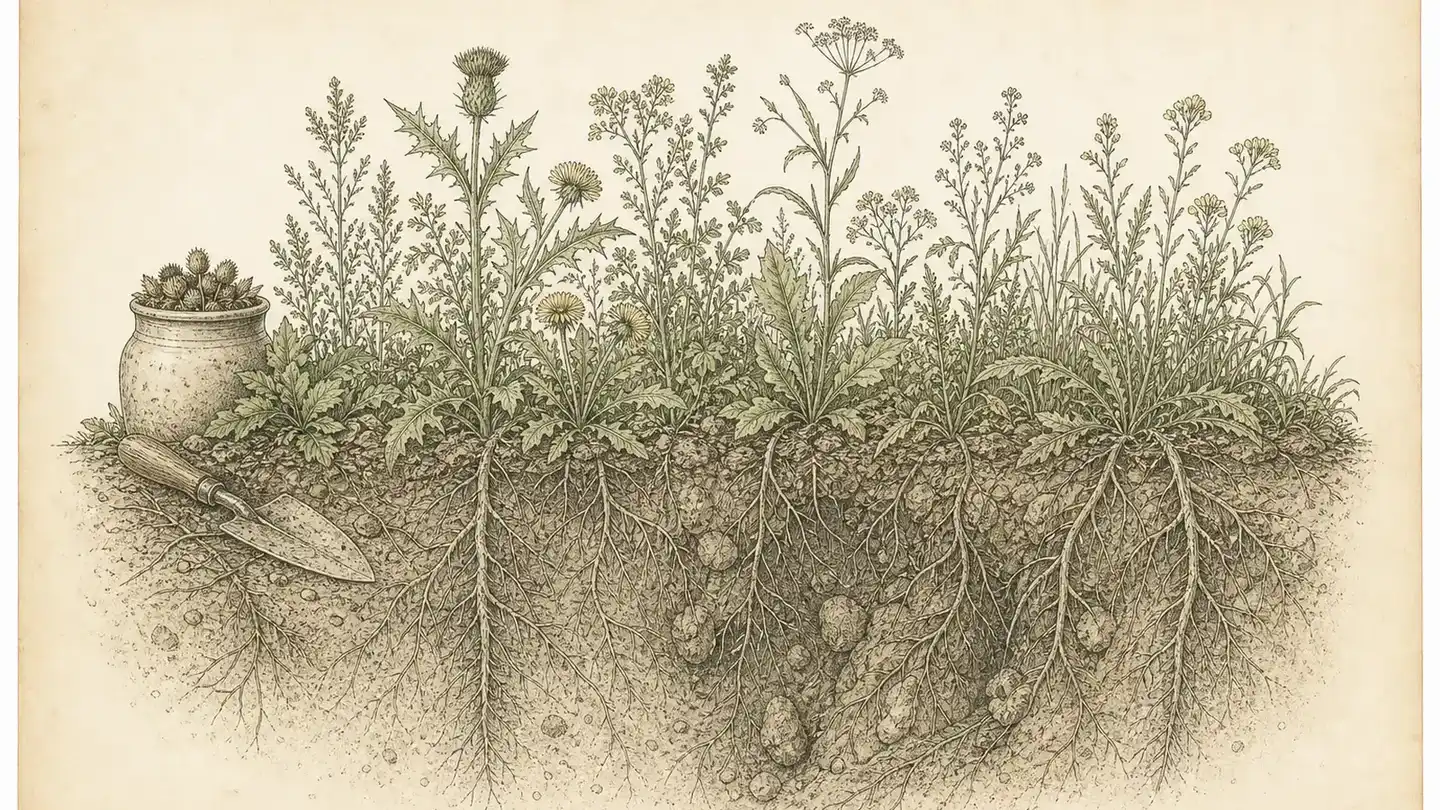
You've heard your gut is a garden. Weed, seed, feed and all of that. But how come the weeds always come back no matter how many you pull out? It was never about the weeds in the first place. It was about the soil that allowed them to overgrow. This is why SIBO treatment so often fails — and what to do instead.
Why Does SIBO Keep Coming Back After Antibiotics?
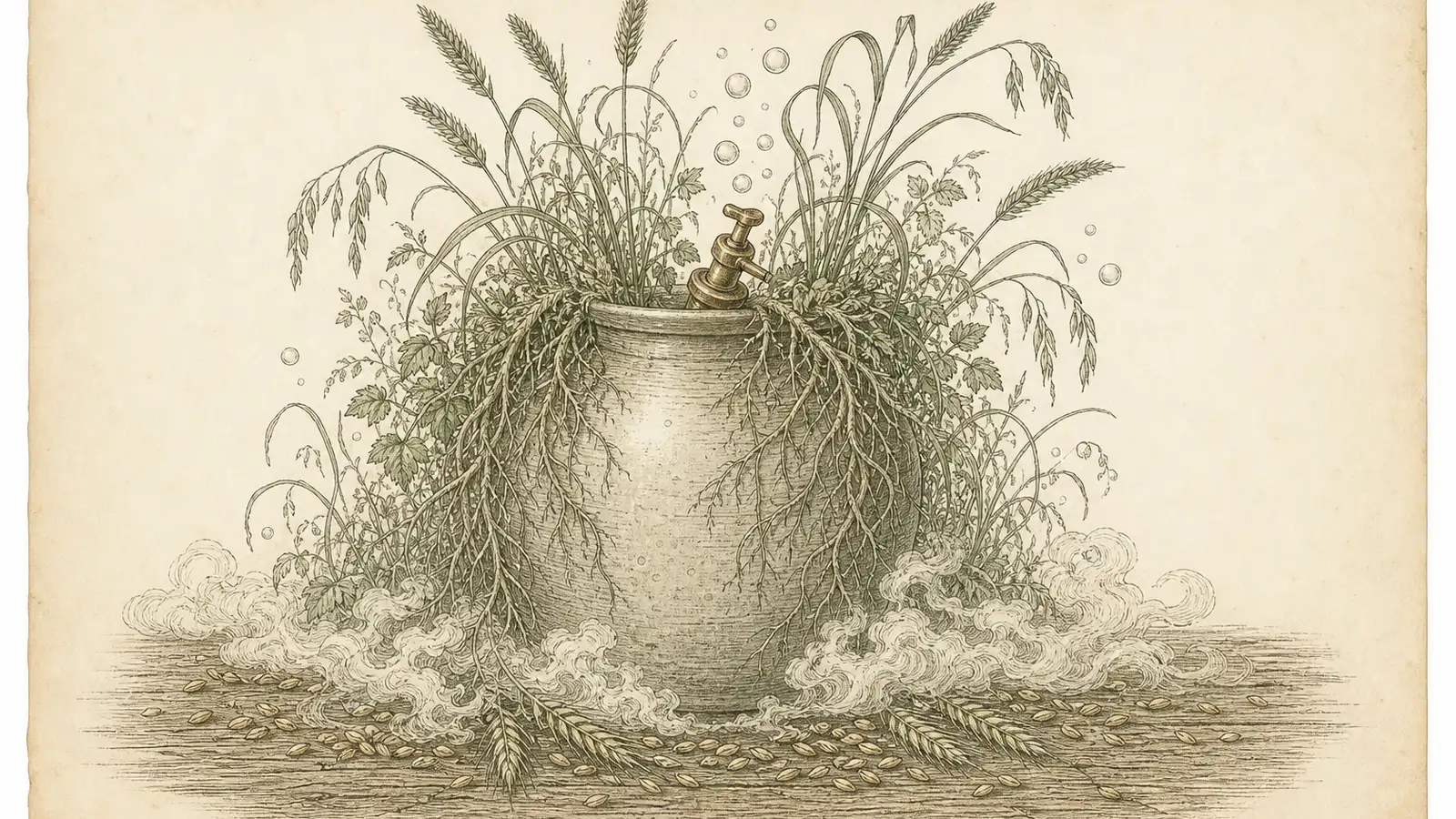
When your gut is healthy it has four built-in defense systems that prevent bacterial overgrowth before it even starts. When those systems break, the weeds grow freely. Pull them out all you want. They're coming back.
This is why SIBO returns 40-45% of the time within 9 months of antibiotics. The weeds were pulled. The soil was never fixed.
Is Low Stomach Acid the Reason SIBO Won't Go Away?
Your stomach acid is the first defense. At a normal pH of 1-2 it kills roughly 99% of bacteria before they ever reach the small intestine.
When stomach acid production drops due to stress, dehydration or a broken down stomach lining, the amount of bacteria that survive into your intestines increases by 1000x.
A thousand.
Most people with SIBO have never had their acid properly assessed. The front gate has been wide open this entire time.
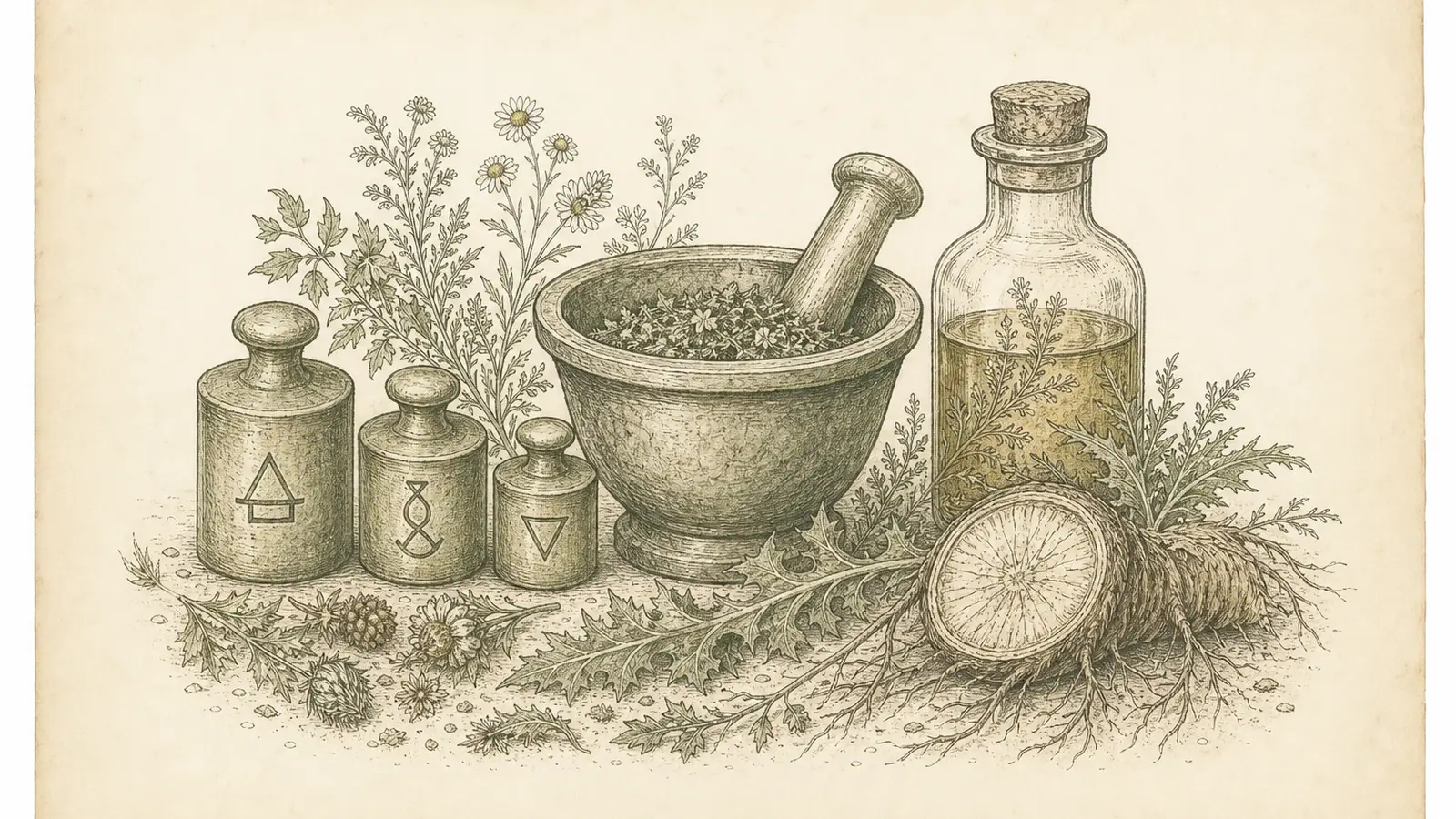
Betaine HCl + enzymes covers the gap short term. Zinc L-Carnosine, boswellia and DGL+ Aloe heal the stomach lining so it produces acid on its own again. Digestive bitters are a manual kickstart for the digestive process.
What Role Does Bile Play in Preventing Bacterial Overgrowth?
The second defense is bile. Acid hitting the duodenum is the signal for bile release, so if stomach acid is down bile flow will be abysmal from the get-go.
Bile doesn't just digest fat. It physically destroys bacterial membranes and activates your gut's own antimicrobial peptides through a receptor called FXR.
Block bile and in studies bacterial overgrowth increases ten fold. Restore it and the overgrowth regulates itself.
Taurine, Glycine, and Phosphatidylcholine build strong antimicrobial bile. Ox bile helps fill in the gap whilst your bodies production increases.
If these two factors are off weeds are guaranteed to grow. And constant antimicrobials you're told to fix it with will keep breeding for stronger weeds.
How Does the Oxygen Level Inside Your Gut Drive Bacterial Overgrowth?
The third defense is the one almost nobody talks about.
Your gut lining cells have mitochondria that consume oxygen. This keeps the inside of your intestine almost completely airless.
That airless environment is what allows beneficial bacteria to dominate and what prevents gram-negative endotoxin producers from taking hold.
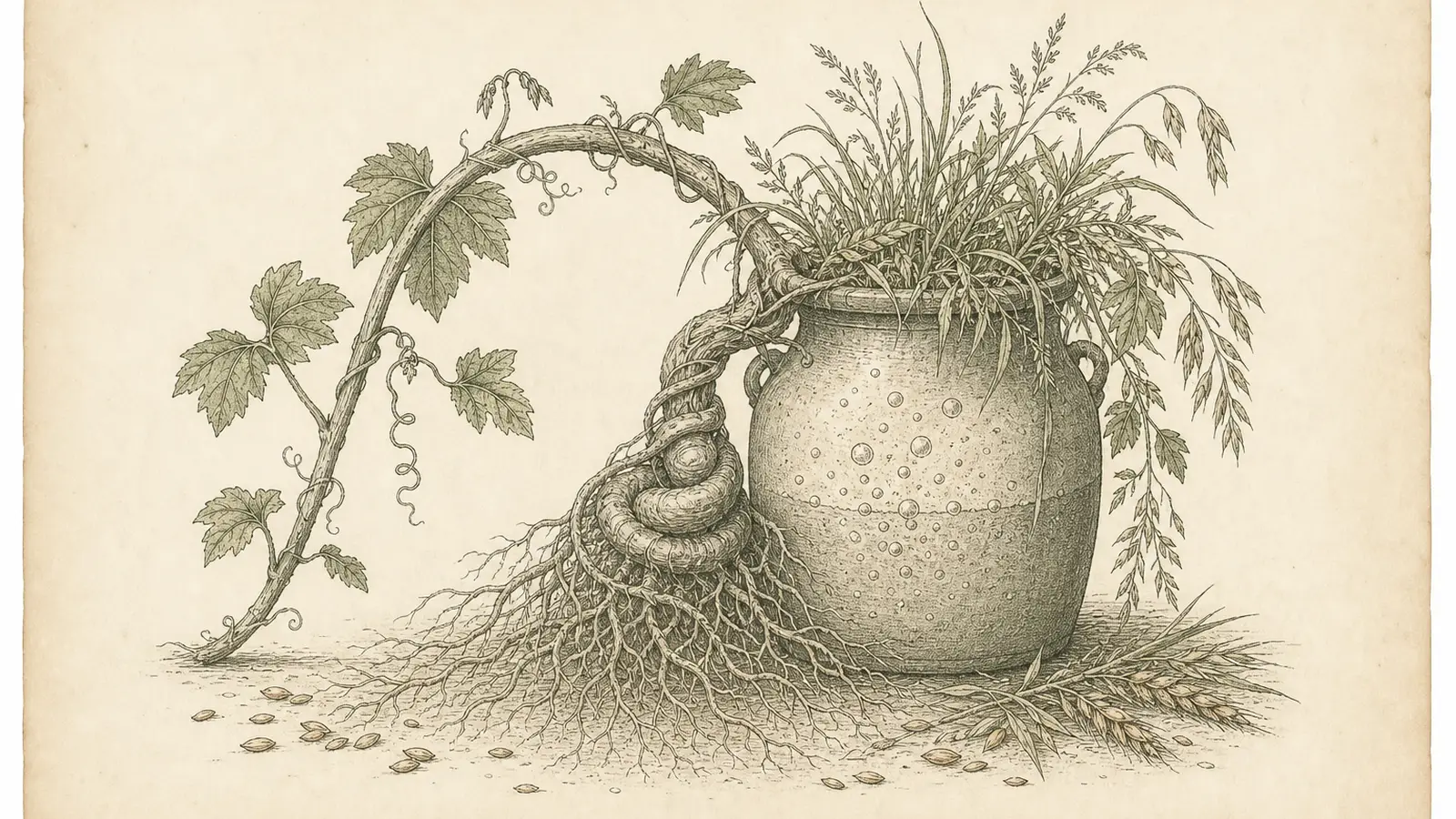
When the lining is damaged those mitochondria stop working properly. Oxygen levels increase in the gut. The soil is now prime-territory for overgrowths.
The bacteria that thrive in oxygen expand. The ones that were keeping them in check get pushed out.
This was published in Science in 2017. Disrupt the mitochondrial pathway in gut lining cells and harmful Enterobacteriaceae expand. Restore it and the ecosystem rebalances on its own.
Same gut. Same food. Different oxygen level. Completely different bacteria.
Butyrate is the primary fuel those mitochondria burn to consume oxygen. PQQ builds new mitochondria through the same pathway that research identified. CoQ10 keeps the electron transport chain running efficiently. Vitamin B1 feeds the cycle that powers the whole system.
Does a Thinning Mucus Lining Make SIBO Worse?
The fourth defense is your mucus lining. It physically separates bacteria from those oxygen-consuming cells underneath.
When mucus thins, bacteria make direct contact with the gut wall. Inflammation spikes. Mitochondrial function drops. Oxygen leaks. The cascade accelerates.
N-Acetyl Glucosamine provides the raw building material for mucus. Boswellia thickens it while lowering the inflammation that's been eroding it. Vitamin A maintains the integrity of the cells beneath.
What Is the Real Fix for SIBO?
You don't have a bacterial problem. You have an environment problem. The bacteria are just responding to the conditions you've given them.
So the next time you finish a protocol and feel that familiar creep of symptoms returning, you'll know exactly why.
The weeds weren't the problem. They were the symptom. The soil was the problem. And now you know how to fix it.