Ghost wipes aren't luck. And they're definitely not about what you eat. The reason your gut symptoms feel random, Monday everything works, Thursday nothing does, is that you're tracking your gut lining integrity and subsequent gas production day by day. Understanding the four stages that have to fire in sequence is how you finally make sense of it.
Is SIBO the Reason Fibre Makes Your Symptoms Worse?
You've added more fibre. Flax. Chia seeds. Tried all the gel-like foods influencers promised would give you the perfect stool.
You focus on motility, walk after every meal. Yet it still comes out as disappointing as a loaf of bread that never rose and you can't figure out why.
Because it was never about the inputs. It's the system between your mouth and your toilet that either makes or breaks a ghost wipe.
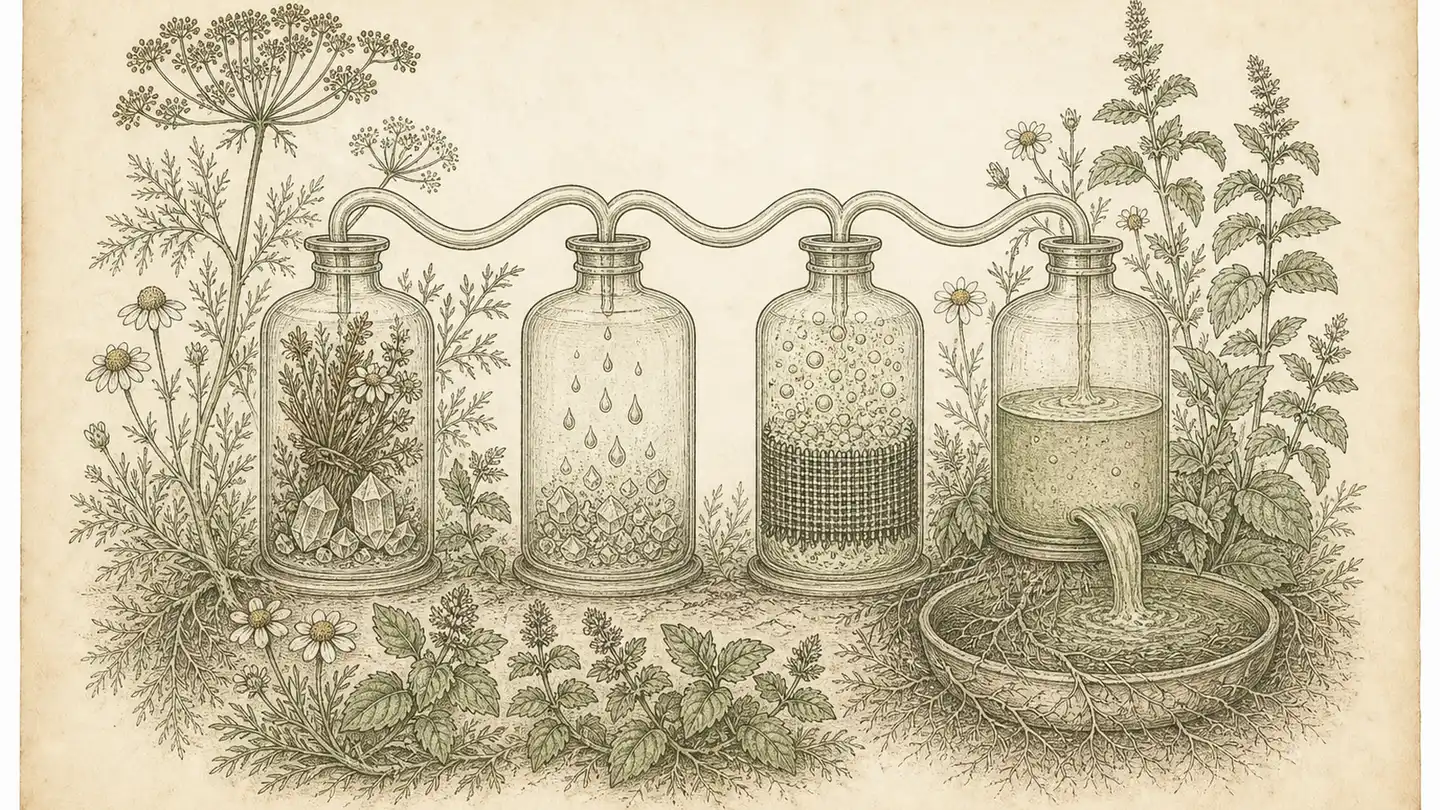
And that system has four stages that have to fire in sequence.
Now here's where the fibre advice falls apart.
You were told to eat more fibre to improve your stools. More flax. More chia. More psyllium. And fibre does feed bacteria that produce butyrate.
But fibre feeds bacteria indiscriminately.
If your gut lining is damaged and the wrong bacteria have already taken over, that fibre is feeding the exact organisms that are degrading your bile, thinning your mucus, and producing gases that paralyse your gut wall.
This is why some people add fibre and everything improves.
Their system was intact. Fibre did exactly what it was supposed to. But in a broken system, more fibre means more fuel for the organisms causing the damage.
Same input. Completely different outcome based on the state of the system processing it.
Why Do Your Stools Float or Look Pale? It Starts With Bile
The first and most commonly broken stage is bile.
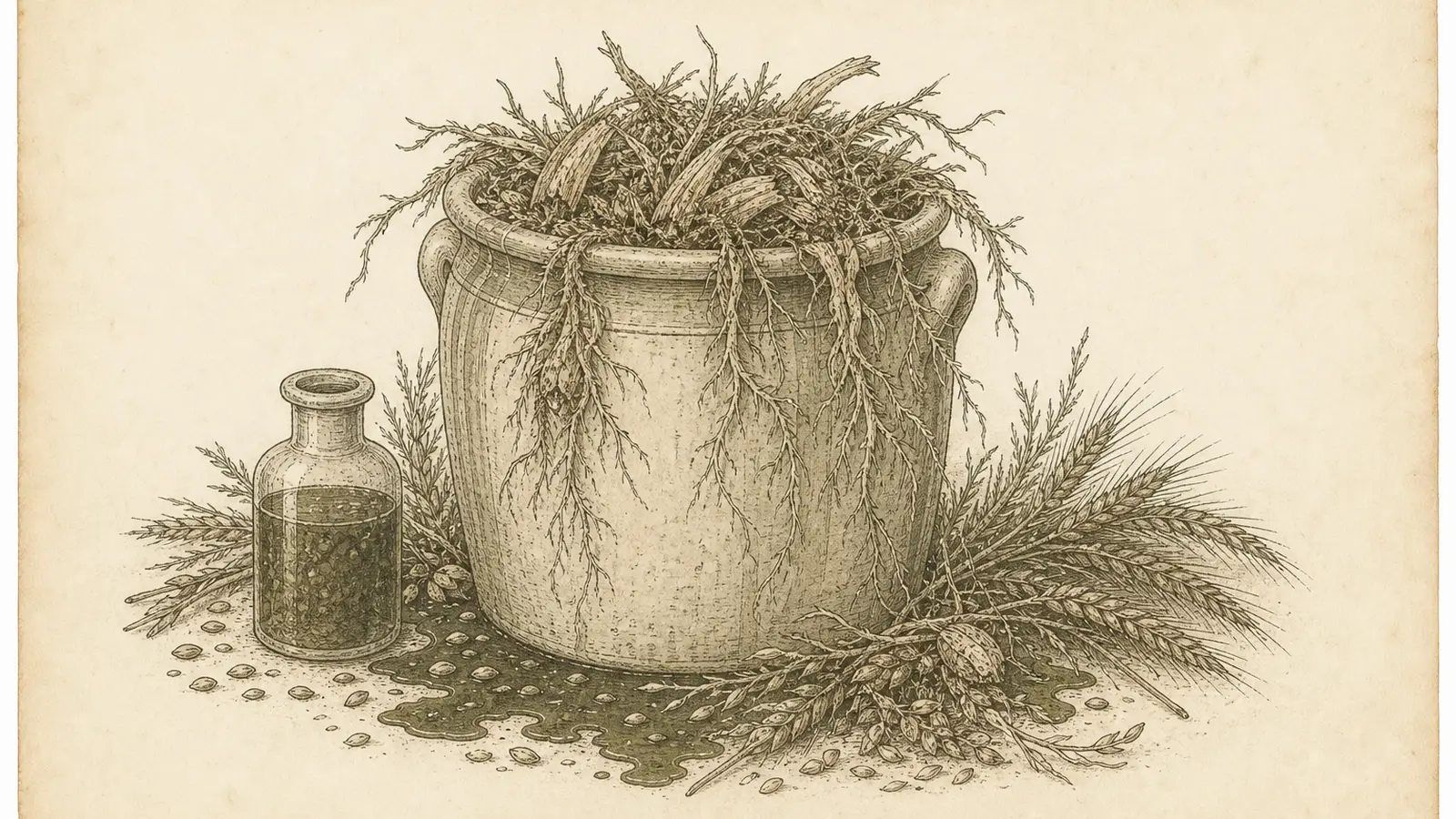
Bile coats your stool as it moves through the intestine. It emulsifies fats so they absorb instead of passing through as grease.
Without adequate bile, fats pass through undigested and coat everything in a sticky film.
Pale stools. Stools that float. 6 yellow wipes and you're still not done. That's your bile ruining the recipe.
Taurine, glycine, and phosphatidylcholine determine bile composition at the liver. Without them your bile can't do its job regardless of flow.
But flow matters too. Stomach acid hitting the duodenum is the signal for bile release. Low acid means weak signal means poor flow even when composition is fine.
If ACV or lemon juice before meals ever improved your digestion, and strangely increases your ability to digest fats then acid was the problem this whole time.
But even well-composed bile with strong flow can be destroyed before it works.
Bacteria in the small intestine produce BSH enzymes that strip bile acids apart, with nearly 60% of bile's function lost when this goes unchecked.
Baicalein inhibits BSH directly literally turning off the enzyme that breaks it down, calcium d glucarate does the same for a similar enzyme.
Why Does Wiping Never Feel Finished? The Mucus Layer Explains It
The second most important part of the puzzle is mucus.
Your colon coats every stool with mucus as it forms.
This is the non-stick surface. Without it stool drags against the intestinal wall, fragments into pieces, and leaves residue every time.
Ever tried cooking a fried egg in a dirty pan without non-stick technology? exactly.
Endless wiping. Stools that break apart instead of passing whole. Never feeling fully done. That's thin mucus.
Goblet cells produce this layer and their primary fuel is butyrate from beneficial anaerobic bacteria. Low good bacteria means low butyrate means thin mucus means nothing passes clean.
Butyrate feeds goblet cells directly. N-Acetyl Glucosamine gives the structural building blocks. Boswellia thickens the layer while calming the inflammation that's been eroding it.
What Actually Breaks the System in the First Place?
Which brings you to the real question. Why did the system break in the first place.
Your gut lining cells have mitochondria that consume oxygen and keep the intestinal environment almost completely airless.
That low-oxygen state is what allows beneficial butyrate-producing bacteria to thrive and what keeps gram-negative endotoxin producers suppressed.
When the lining is damaged those cells stop consuming oxygen properly. Oxygen leaks into the lumen. The bacteria that thrive in oxygen expand.
They degrade bile. They outcompete butyrate producers so mucus thins. They produce methane, hydrogen, and hydrogen sulphide that stall transit and damage the lining further.
One shift in this environment and every stage of the ghost wipe recipe fails simultaneously.
This is why ghost wipes seem random. Monday everything works. Thursday nothing does. You're not tracking luck. You're tracking your gut lining integrity and subsequent gas production day by day.
Zinc L-Carnosine repairs the lining itself. PQQ and CoQ10 restore mitochondrial oxygen consumption. B1 keeps the energy cycle fed.
Butyrate is both the fuel those cells burn to consume oxygen and the compound that feeds mucus production. One molecule doing the two most important jobs at once.
Fix the lining and the environment shifts back. Oxygen drops. Beneficial bacteria return. Butyrate rises. Mucus thickens. Bile stops getting degraded. Transit steadies.
It's like realising the reason your bread never rose is because the yeast was dead before it even got a chance to rise, fix that and the whole recipe clicks.
Not because you changed what you eat. Because you fixed the system that processes it.
How Do You Know Which Stage Is Broken?
The following steps map each symptom pattern to the stage most likely failing.
- Sticky and pale? Check bile. Then check acid.
- Fragments and endless wiping? Mucus. Check butyrate.
- Dry or loose with nothing in between? Transit. But check bile and mucus first.
- All of the above? The lining underneath everything.
- If you have lots of gas and constipation it's likely methane, down that route you need to bind the hydrogen and create an environment where methane producers don't overgrow.
- Sometimes it's a simple intestinal thiamine deficiency. Sometimes stress, sometimes low stomach acid or bile. It really is more important to identify what's causing it.
You've been scoring your gut health with ghost wipes your entire life without knowing it.
Every clean pass was the system working. Every rough one was a stage failing.
Now you know what each stage does. And you know why fibre alone was never going to fix it.