Bile flow is the second most pressing issue in gut health, and Kieran puts it plainly: "Bile flow is the second most pressing issue, as it's a huge risk factor for bacterial overgrowths and also you're missing out on fat soluble vitamins (hello low drive)." Here's his full 80/20 breakdown.
What is the 80/20 of the gut health industry?
Let me 80/20 the entire gut health industry for you biohackers in my audience:
- Low stomach acid is the most pressing issue you can ever have with your gut, if you feel bloated 0-60 after meals or food sits heavy you're gonna have a broken down gut lining no matter how much BPC you take. NOW super enzymes + zinc l carnosine and BPC for the stomach lining
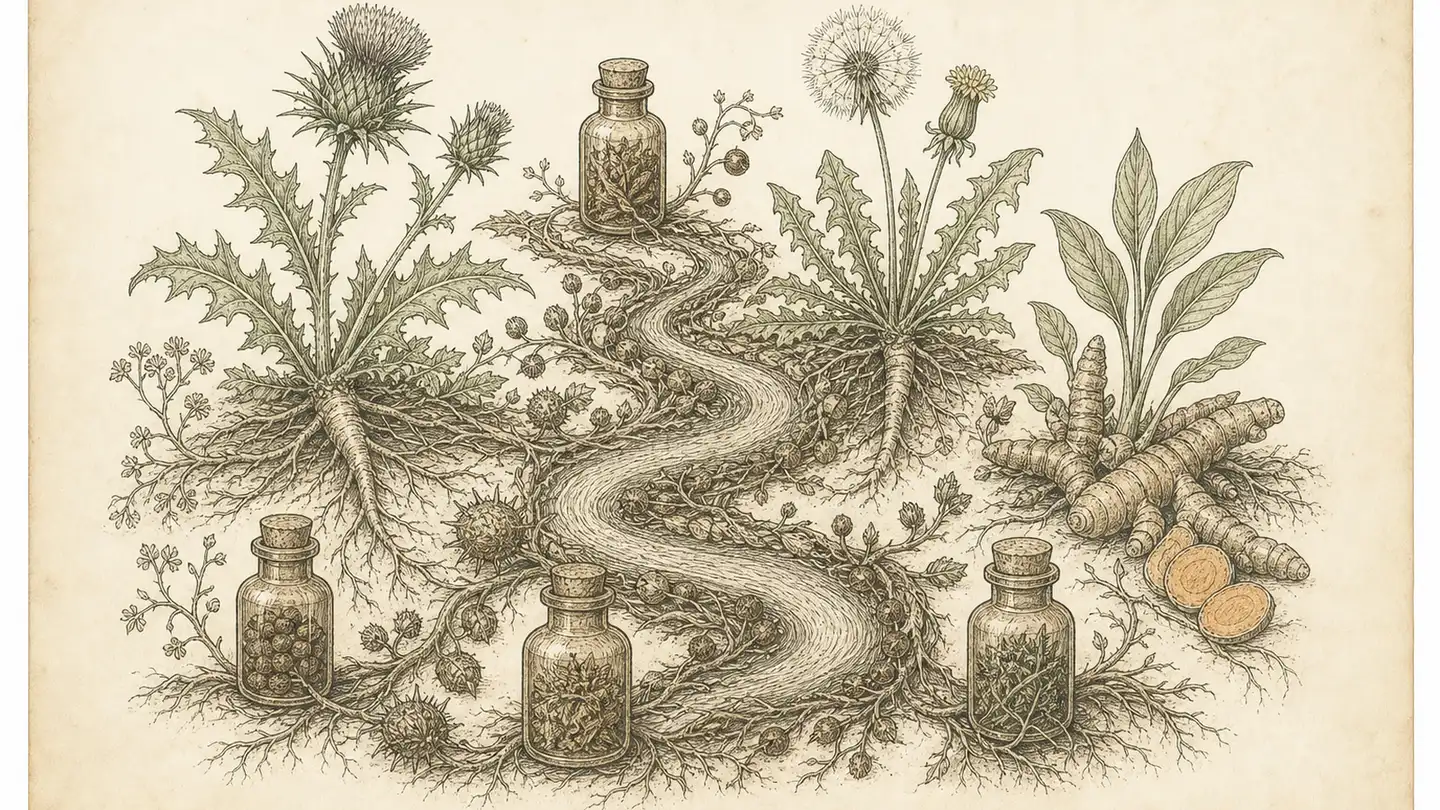
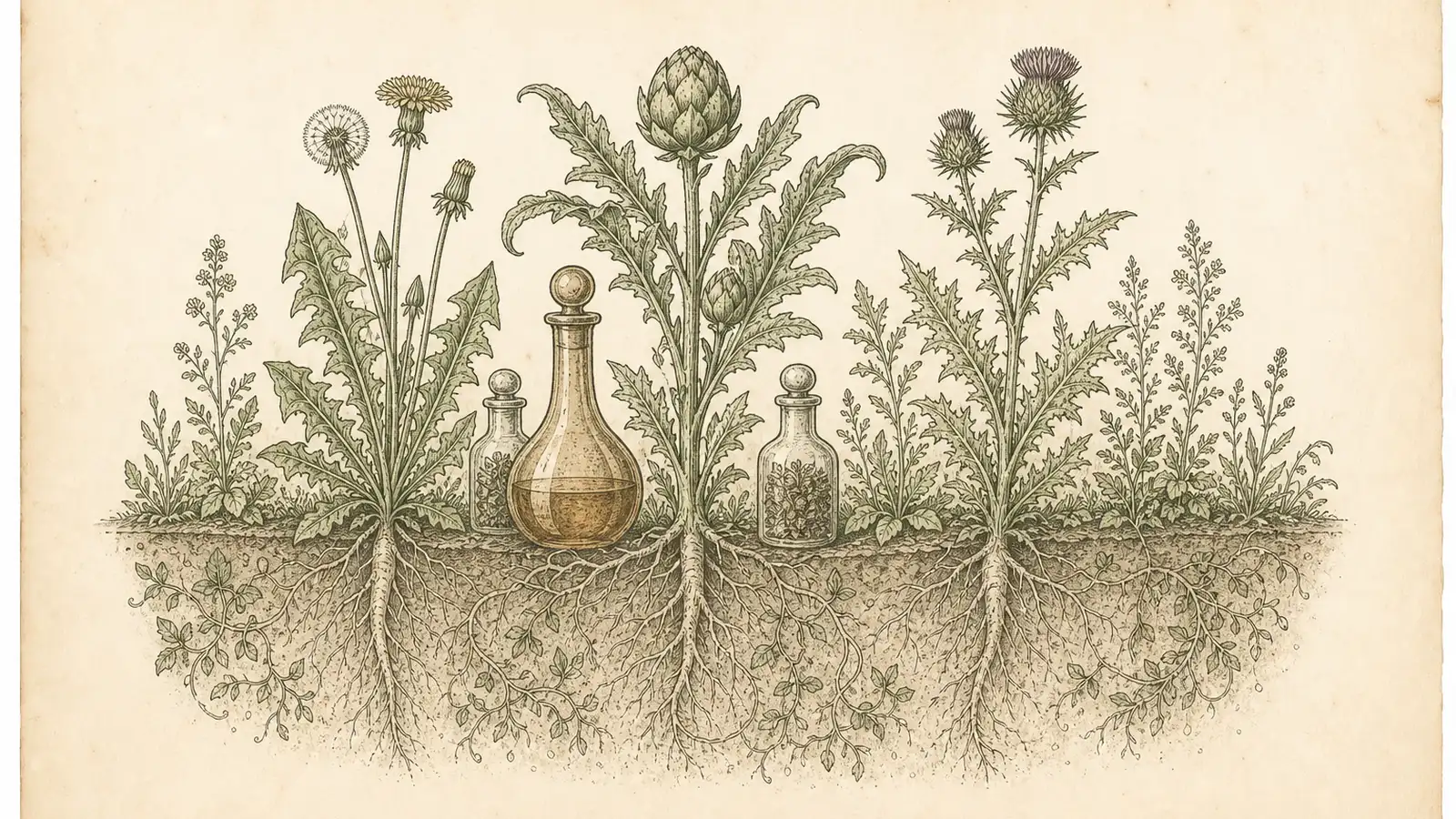
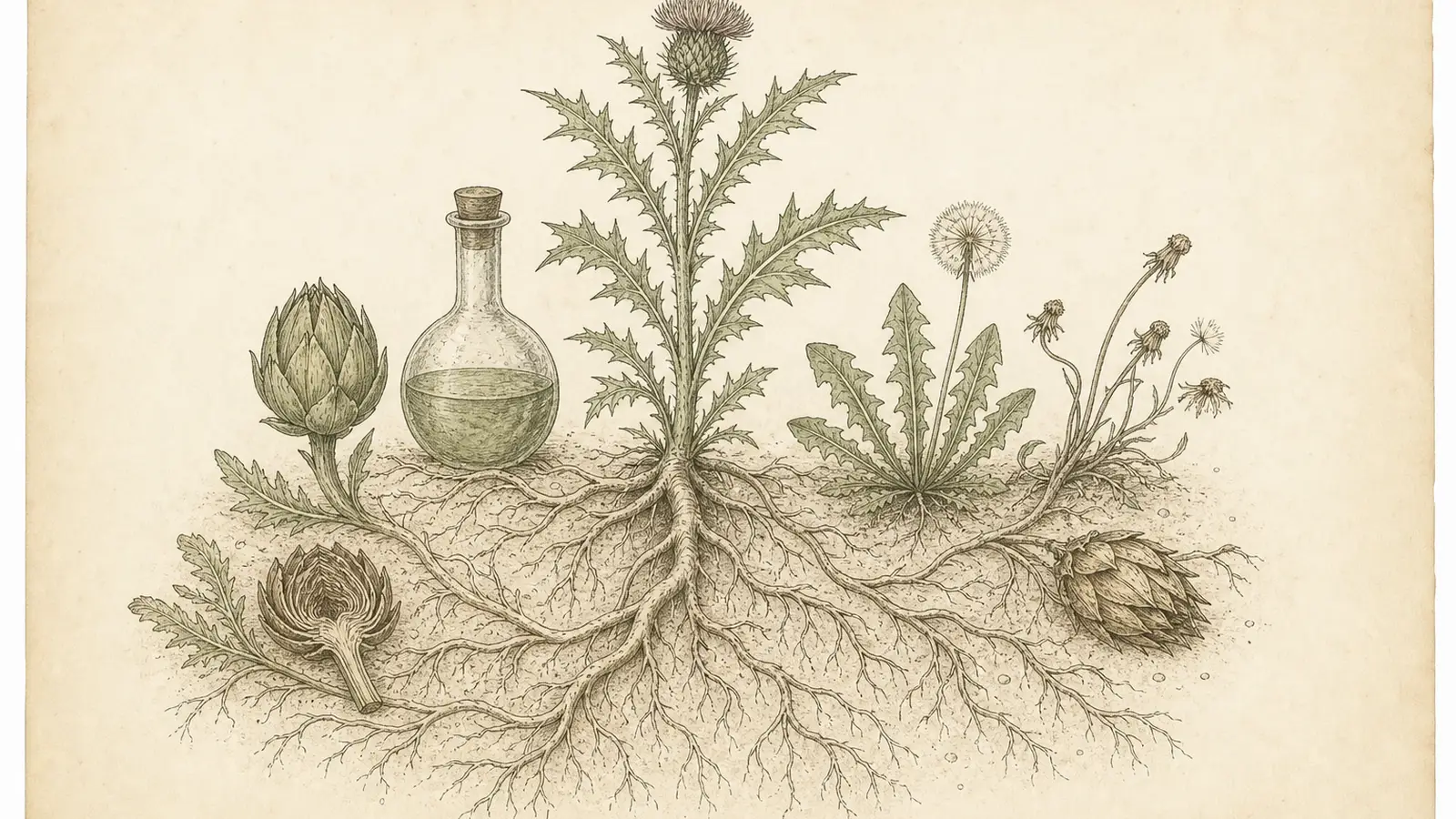
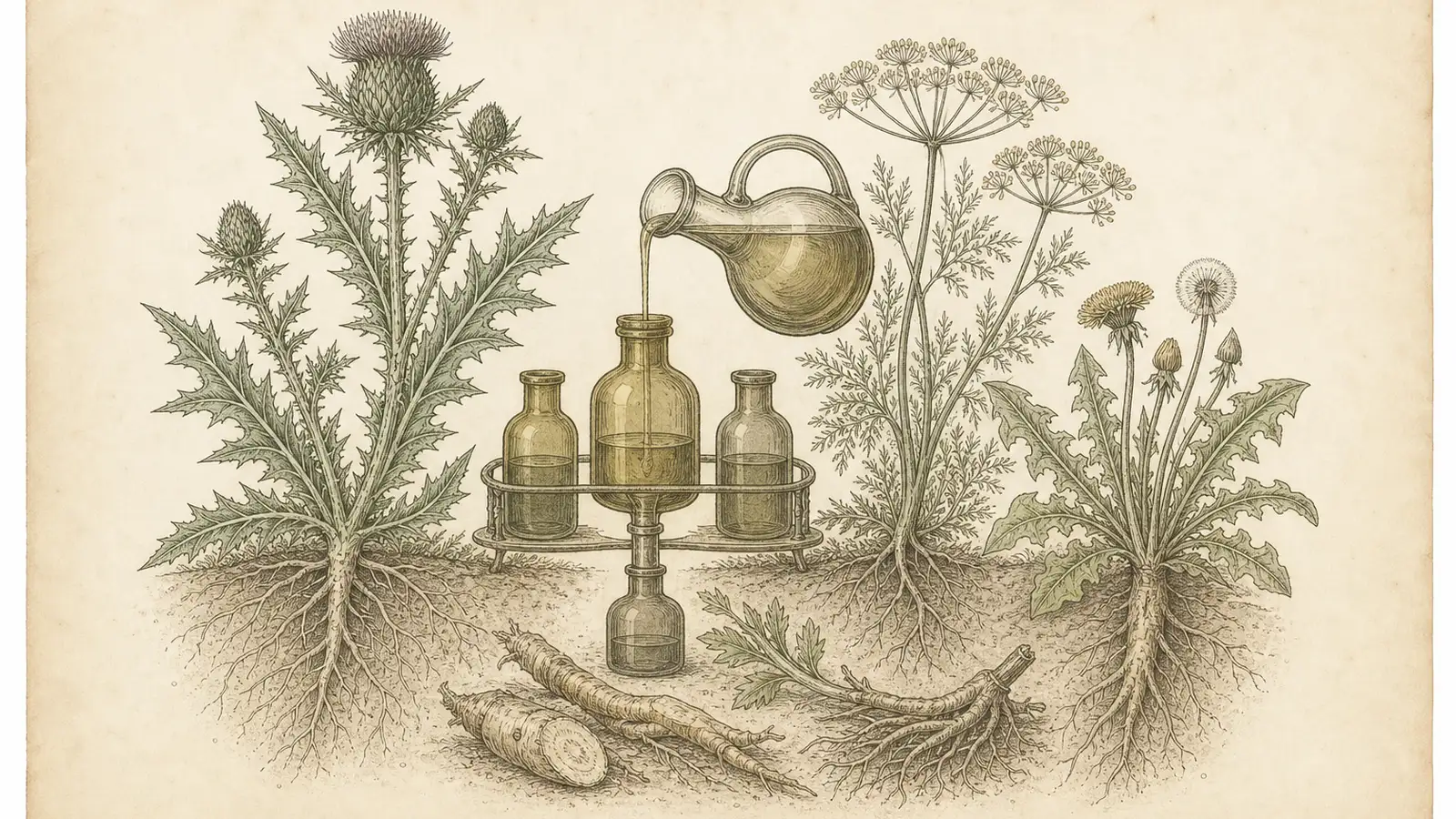
- Bile flow is the second most pressing issue, as it's a huge risk factor for bacterial overgrowths and also you're missing out on fat soluble vitamins (hello low drive). TUDCA, Milk thistle, Bitters by Quicksilver Scientific before meals.
- Literally 90% of peoples issues are from above, but if you've dealt with gut issues for a while the gut lining can perpetuate overgrowths regardless of this. Zinc L-carnosine once again will help this, BPC-157, Colostrum and possibly KPV if you've got histamine symptoms.
- Speaking of histamine how does gut related histamine present? often as anxiety, brain fog, wired but tired and trouble sleeping. but also lesser known is diarrhea or constipation. Seeking health histamineX + S boulardii + KPV + PEA will crush this.
- ABSGT. Always be sipping ginger tea with meals (within reason, avoid heavy quantities during summer) to help with bloating and optimise digestion.
- Listen to your gut, deduce from there. you don't do well with bread? don't eat it right now. work on gut lining and bacteria. don't do well with fats? go lighter on them right now, work on bile. don't do well with heavy proteins? work on stomach acid and focus on lighter to digest items like fish right now.
90% of the gut health game is right here above, but let me get you a higher ROI on your time:
In comments there'll be a 5m quiz which will tell you which of these are likely affecting you most, and how to support them.
Your gut is gonna outweigh any nootropics, treat it right.
How do you regenerate the stomach lining?
The way I see it mostly about regenerating a healthy stomach lining, just a few tools off the top of my head: Zinc L carnosine has been used for decades in Japan for the stomach, Sulforaphane has been shown to repair damage of the stomach lining by H pylori, can expand that to stomach lining damage in general, I believe I recall studies showing curcumin or boswellia can repair the actual secretory cells within the stomach lining, not 100% sure but I'm sure they'd do so indirectly also by their effects on tissue repair, DGL + Aloe vera is awesome for protecting the stomach lining and repairing it somehwat. If we think about why there is low stomach acid, often times it's about the stomach lining and the cells within responsible for acid regulation. sometimes it's about zinc and other co factors which is why nutrition being on point is mandatory.
This connects closely with the stomach lining as one of the big three levers that control SIBO, alongside stomach acid and bile itself.
Is acid reflux the same as low stomach acid?
No acid reflux is dysregulation of stomach acid, in the same way low acid is. In fact it's very often that someone who has symptoms of high acid at times has low acid at other points too. Betaine HCL is essentially replacement stomach acid. Work on the stomach lining and in the short term supplement with betaine + enzymes. Zinc l carnosine a week may help, would always stay cautious but you can always test and see. How sensitive is your gut in general? if somewhat sensitive or very run zinc on it's own for a little while so the lining can handle the other two. Depends on the person really, if they have a sensitive stomach lining or mast cells I'll work on the lining and the acid levels at the same time, otherwise I like stacking things. In this case most people have to focus on supplementing to manage.
How does gut related histamine present, and what about diarrhoea or constipation?
Diarrhoea? HistamineX probiotics, S boulardii and Lactoferrin. Constipation is a bit trickier, would probably add all of the above but maybe focus on things like Atrantil + Quercetin also to suppress methane. Lining work can be beneficial depending on how far post infection you are. This connects to how histamine never fully clears when bile flow is compromised, and why bile support is part of the answer for many with these symptoms.